
Strategic Growth Initiatives for Modern Businesses
In an era marked by rapid technological evolution and dynamic market demands, businesses must take proactive steps to remain agile and sustain their growth trajectory. Whether you’re a startup or an established enterprise, having a structured approach to scaling is essential. Partnering with a consultant for strategic growth can help companies unlock new opportunities and position themselves competitively in ever-changing markets. Identifying and implementing the right strategies ensures long-term stability and prosperity for organizations of all sizes.
Adaptability is more than a buzzword; it’s a necessity. Businesses today operate in interconnected ecosystems where technology, customer expectations, and regulations shift quickly. To stay ahead, it’s crucial to explore initiatives that drive innovation, talent development, and data-driven decision-making.
Embrace Digital Transformation
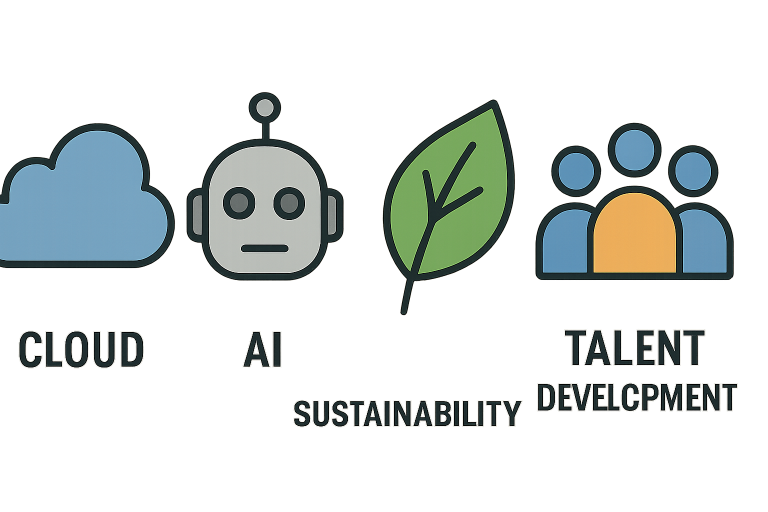
Digital transformation is pivotal for businesses seeking to remain relevant and achieve incremental growth. Modern, AI-powered, cloud-native ERP systems elevate operational efficiency, provide real-time analytics, and facilitate scalability. By leveraging cloud-based tools, organizations not only reduce IT expenditures but also enable distributed teams to collaborate seamlessly. Companies investing in digital transformation report more responsive customer service and streamlined business processes. According to Deloitte, the right combination of digital transformation actions can unlock as much as US$1.25 trillion in additional market capitalization across Fortune 500 companies.
Integrate Artificial Intelligence
Artificial intelligence is no longer reserved for the world’s largest companies. SMEs are utilizing AI to automate workflows, anticipate market trends, and personalize customer experiences. Research indicates that 91% of SMEs using AI have seen direct revenue boosts and reduced monthly operational costs by up to 30%. AI-driven solutions such as chatbots, predictive analytics, and machine learning models streamline complex processes and enhance decision-making. Leaders who embrace these tools position their companies for sustained growth while gaining a competitive edge in a saturated marketplace.
Focus on Sustainability and Social Responsibility
The modern consumer is more informed and conscientious about their purchasing decisions. Companies prioritizing sustainability such as responsible sourcing, eco-friendly packaging, or carbon-neutral operations stand out in a crowded marketplace. Social responsibility initiatives, from supporting local communities to implementing ethical labor practices, not only strengthen brand reputation but also promote loyalty among values-driven customers. Unilever, for example, continues to innovate toward a greener, more responsible business model, leading its sector in sustainability and resilience. These efforts demonstrate that doing good drives both reputation and bottom-line results.
Invest in Talent Development
Developing a future-ready workforce is indispensable for organizations hoping to remain competitive. High-growth companies emphasize reskilling and upskilling, particularly in high-demand fields like data analytics, artificial intelligence, and digital marketing. More than half of corporate leaders report prioritizing learning and development for their existing staff, ensuring the organization has the adaptability to confront new market realities and incorporate emerging technologies. Promoting internal mobility and cultivating a culture of continuous learning can help to close skill gaps and empower teams to meet ever-evolving business objectives.
Enhance Customer Experience
Delivering exceptional customer experience (CX) is a proven growth accelerator. Businesses that invest in omnichannel strategies, rapid response times, and personalized service consistently outperform peers. Strong CX not only increases retention rates but can also drive sales growth by as much as 15% to 20%. An example in the finance sector saw a European bank streamline its credit approval process from a 20-day ordeal to just minutes, winning more business and increasing margins. McKinsey’s analysis underscores that delighting the customer at every touchpoint translates into sustainable growth and brand loyalty.
Leverage Data Analytics
Data analytics transforms raw data into actionable insights, allowing businesses to better understand and serve their customers. By studying customer behavior and market trends, organizations can make data-driven decisions, customize offerings, and forecast demand more accurately. Netflix’s use of predictive analytics to recommend movies and personalize viewer experiences exemplifies how smart data use drives engagement and market dominance. Reliable analytics platforms facilitate continuous improvement and open the door to innovative business models.
Adopt Agile Methodologies
Accelerating innovation and adapting rapidly to change is at the heart of agile methodologies. Teams leveraging agile frameworks can shorten product development cycles, respond to shifting customer needs, and experiment with new concepts. Tesla’s rapid product iterations and adaptive approach are testaments to the power of agile to enable disruptive innovation. The flexibility inherent in agile practices gives companies the resilience needed to keep pace with and often shape market developments.
Conclusion
Organizations that proactively implement these strategic growth initiatives position themselves to outpace competitors, adapt to disruption, and foster long-term success. Harnessing digital transformation, integrating AI, committing to sustainability, developing people, enhancing customer touchpoints, employing advanced analytics, and maintaining operational agility are all essential for navigating today’s business complexity. Leaders who embrace these strategies not only ensure resilience but also create pathways to sustained excellence.