
How Hard Water Affects Daily Life
Hard water, which is abundant in minerals such as calcium and magnesium, is a widespread challenge for households across the United States. While consuming hard water is generally safe for health, its effects on everyday living can be far-reaching. Households may face persistent soap residue, faded laundry, and frequent appliance repairs due to scale buildup. Fortunately, solutions such as water softener installation experts in Utah can help turn these daily struggles into a thing of the past by addressing mineral concentrations at the source.
Hard water can lead to various problems, including clogged plumbing and increased utility bills, impacting household comfort and finances. It causes issues such as dull dishes and dry skin, and results in costly repairs and premature appliance replacements. Awareness of hard water’s effects enables families to make informed choices, particularly in areas with high levels of hard water, such as Utah. Technological solutions, such as water softeners and regular maintenance, help households mitigate the negative impacts of hard water, thereby promoting better health and cost efficiency.
Impact on Household Appliances
Household appliances that use water, such as dishwashers, washing machines, and water heaters, are among the first to exhibit signs of complicated water problems. Mineral deposits, commonly referred to as limescale, coat heating elements and internal parts, steadily reducing performance over time. Ultimately, these deposits force appliances to use more energy to function and can trigger mechanical breakdowns well before the expected lifespan is reached. According to Energy.gov, even a small amount of scale can increase water heater energy use by up to 30%, leading to unnecessarily high monthly bills.
Challenges in Cleaning and Laundry
Cleaning tasks, such as washing dishes and laundry, tend to be less effective in households with hard water. Soap interacts with calcium and magnesium, forming a substance known as soap scum that adheres to sinks, bath tiles, dishes, and glassware. Laundry outcomes suffer as well—clothes become scratchy, colors fade, and fabric wears out quickly from repeated washing with mineral-rich water. To achieve acceptable results, households may find themselves using more detergent or cleaning agents, thereby increasing their overall costs.
Effects on Personal Care
Daily routines such as showering and washing hair can be directly affected by hard water. Many people report dry, flaky skin and hair that becomes dull or more prone to tangling as a result of persistent mineral deposits. Because soap and shampoo are less effective in hard water, it often requires more product to achieve a lather, and even then, residue may remain on hair and skin. These irritations can lead to long-term scalp problems or exacerbated skin conditions, making water softening technology an attractive solution for personal comfort and hygiene.
Plumbing System Concerns
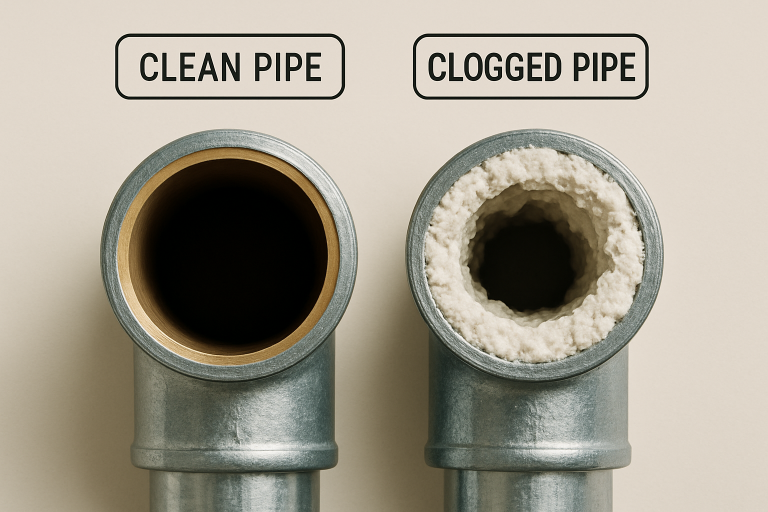
Mineral buildup doesn’t just affect what you see—it accumulates inside pipes, reducing water flow and raising the risk of leaks and clogs. Over the years, this scaling can significantly degrade plumbing systems, leading to costly repairs or even necessitating the replacement of sections of piping. High-pressure buildups may cause small leaks to expand rapidly, turning minor issues into full-blown emergencies. Regular assessment and preventative care, particularly in areas with a known complex water problem, can significantly extend the life of your plumbing system and prevent unexpected disruptions.
Energy Consumption and Costs
When appliances and pipes become clogged with mineral deposits, they demand more energy to operate at a basic level. Water heaters, for instance, expend significantly more power to bring water up to the right temperature when heating elements are coated in scale. Similarly, dishwashers and washing machines require longer cycles and more hot water, which further increases utility costs. Even a small amount of scale can increase water heater energy use by up to 30%, leading to unnecessarily high monthly bills.
Addressing Hard Water Issues
Fortunately, the effects of hard water are manageable with the right tools. Water softener systems replace calcium and magnesium ions with sodium, preventing further buildup and allowing homes to return to regular cleaning, bathing, and appliance operation. Routine maintenance and timely inspections also help mitigate issues before they escalate. Whether you’re considering DIY test kits or inquiring about whole-home solutions, consulting water treatment professionals is the best way to ensure that your chosen method matches your household’s needs.
Understanding and addressing the issues related to hard water is essential for prolonging the lifespan of home systems and safeguarding family comfort. By staying proactive with solutions like water softeners and monitoring water quality, homeowners can avoid the headaches that hard water can bring and create a healthier, more efficient living environment.